We voted on data centers. Now let’s govern AI.
Here’s my advice to our newly elected leaders.
By Scott Litman
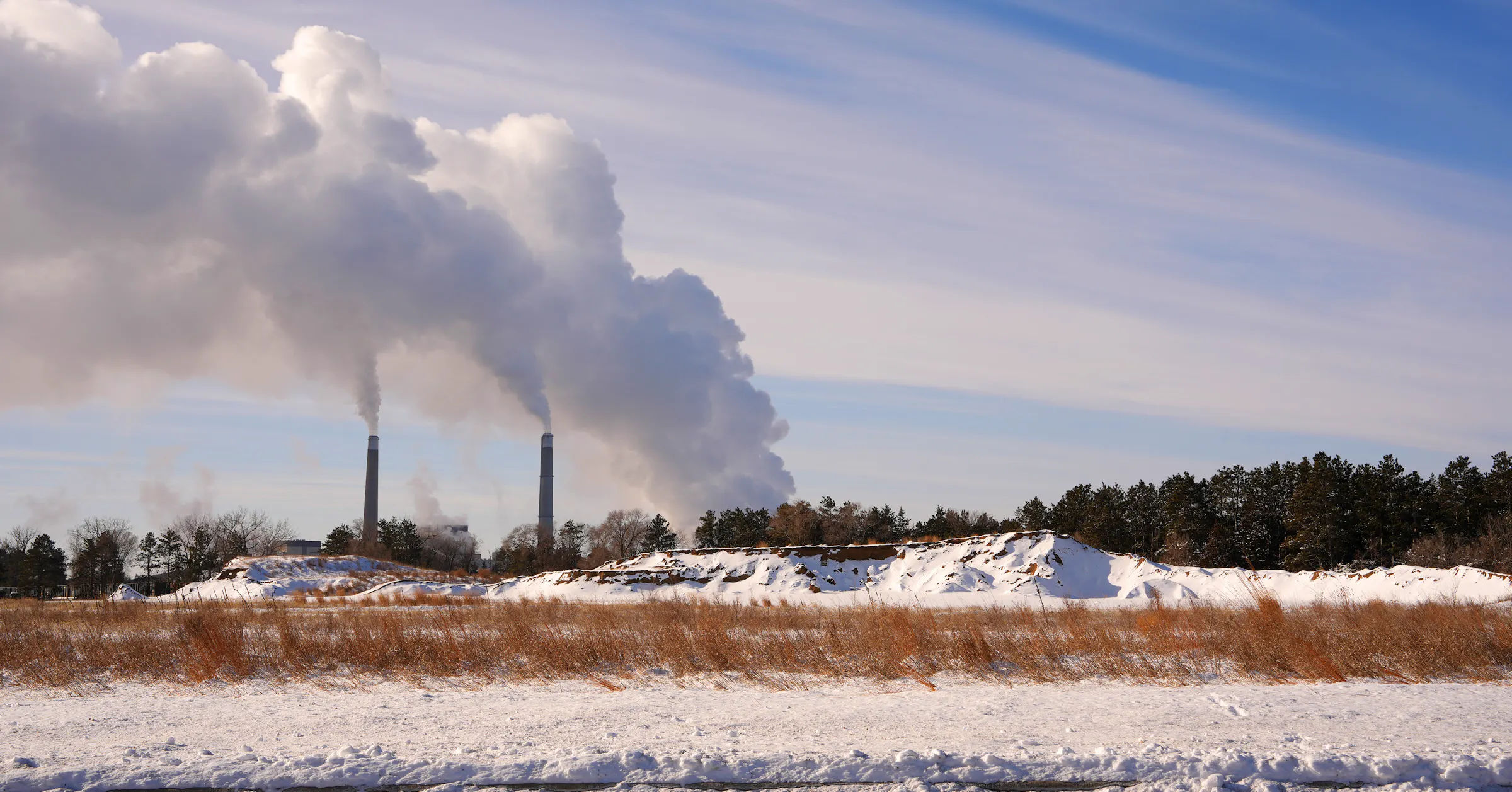
Hermantown just held a referendum on a data center, even though no such question appeared on the ballot. Two challengers who criticized the city’s handling of a proposed Google data center won both open City Council seats, finishing well ahead of an incumbent who backed the project. Next door in Duluth, a St. Louis County commissioner who had signed a nondisclosure agreement tied to the project lost to a challenger who supports a moratorium.
Nationally, campaigns spent more than $380 million on TV ads mentioning data centers. And in local referendums, voters approved restrictions in 44 of 45 completed votes. Electric bills, water and land use moved voters across the country.
Eight days before the midterms, Anthropic, the company behind Claude, filed to go public. That filing made one thing clear: The data center fight is just getting started.
Anthropic says it has committed between $542 billion and $567 billion to future computing power, and it is beginning to build its own data centers through partners. And beyond Anthropic, every major AI lab is racing to do the same.
Here is what strikes me most. We spent the election season arguing about the buildings. But we barely talked about what runs inside them.
If you want to know what’s on the inside, Anthropic tells us in its S-1 filing (the document a company must give investors before an IPO). Their S-1 reads like a briefing for policymakers. The company writes that AI “may displace or eliminate jobs” and that its rapid advancement “could create significant disruption” to the economy and society. It warns that its own technology could pose “catastrophic or existential risks to humanity,” and that AI could concentrate power and wealth. And it says “the laws, regulations, and standards in place today were not necessarily designed with these technologies in mind.”
When a company with every reason to sound bullish to investors puts that in writing, our elected leaders should read it.
The same filing describes extraordinary upside. Anthropic’s third-quarter revenue was nearly $17 billion, up 47% from the quarter before. Businesses I work with in Minnesota are already using these tools to do more with the teams they have. I’ve built five companies, and I believe AI can be the biggest productivity gain of my career.
Getting the best of it while protecting against the worst won’t happen by default. Right now, AI is moving on a trajectory set by a handful of companies and their investors. Voters just made clear they want a say in where the buildings go. They deserve a say in the rest of it, too.
So to the leaders Minnesotans just elected, at every level, here is where I’d start.
First, treat AI and jobs as an economic development issue now, before the layoffs, not after. Our colleges, workforce boards and employers should be planning together for which roles change first and how people adapt or move into new ones.
Second, take the industry up on its offer. Anthropic’s filing says it supports “thoughtful governance” and wants to work with government to set safety standards, with independent verification. Congress and our federal delegation should hold every frontier AI developer to that, not just the one that put it in writing.
Third, finish the data center work the voters started. Protect ratepayers, require disclosure of energy and water use, and give communities a real voice before deals are signed.
Think about aviation. Nobody argues that federal safety rules killed air travel. Those guardrails are a big reason the public trusts airplanes enough to fly. Anthropic’s CEO has made that same comparison. AI needs its version.
The voters sent a message about data centers. The next one should be about everything those data centers will power. Govern AI on purpose. Everything else follows.
Scott Litman, of Minneapolis, is a partner at Traction Capital, co-founder of WhatIf? by Magnetive and co-founder of the Minnesota Cup, an annual competition for emerging entrepreneurs and startups.